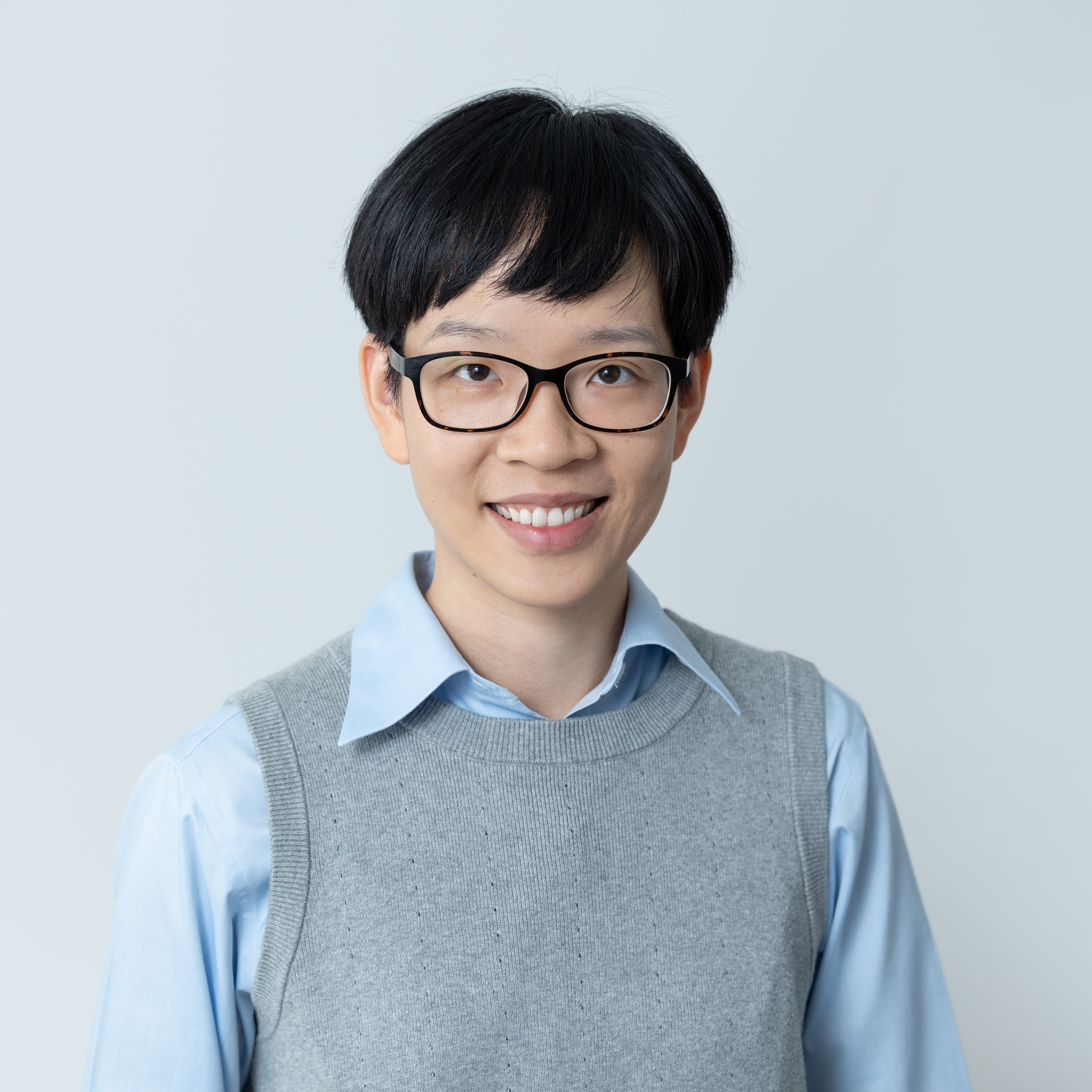
Lianzhe Zheng headshot

About Me

A Safe Space to Heal & Grow

My graduate school training focused heavily on psychodynamic theory, the psychology of race and culture, and trauma treatment. My foundational views on therapy and healing were shaped by broader waves of discussion in the psychology field around relationships, justice, and social identity. I believe in the power of deep exploration, authentic connection with others, and critical awareness.

Throughout my clinical training at various sites, I also integrated behavioral health management into my approach. I received extensive training in Cognitive Behavioral Therapy, Dialectical Behavioral Therapy, Acceptance and Commitment Therapy, and clinical hypnosis. In particular, I apply these skills to anxiety and OCD treatment, the psychological experience of cancer treatment and end of life, and postpartum mental health. My goal is to empower clients to use concrete skills to efficiently decrease their medical and psychological stress.

Currently, I am a staff psychologist at the University of California, San Francisco's psycho-oncology program. I offer virtual services in California and Massachusetts. I provide therapy in both English and Mandarin 中文.

  • Licensed Psychologist — California (PSY34931) & Massachusetts (PSY10001037)
  • PhD in Counseling Psychology, Boston College, 2022
  • Therapy in English and Mandarin 中文

What I Treat

Specialty Topics

Anxiety & OCD Treatment

I have obtained my training on Exposure and Response Prevention for OCD through the Behavioral Therapy Training Institute, offered through the International OCD Foundation (IOCDF). I have participated in extensive OCD training and supervision at the Behavioral Wellness Clinic that houses the New England OCD institute. Currently, I continue professional learning through IOCDF and provide OCD treatment teaching to postdoctoral fellows. My focus is on OCD and commodities, such as PTSD, mood disorders, and OCD around sexual orientation, relationship, and unacceptable/taboo thoughts.

Trauma & PTSD Treatment

When it comes to trauma treatment, I use an integrative approach, informed by Psychodynamic Approach, Dialectical Behavioral Therapy, Cognitive Processing Theory, Prolonged Exposure, Internal Family System, mind-body approach, and Clinical Hypnosis. Additionally, for clients who hold minority identities, it is crucial to provide identity-based trauma treatment, such racial trauma and trauma associated with gender, sexual orientation, class, immigration and etc.

Trauma treatment can be complex and it should happen in a healing relationship. I usually adopt a multi-tired approach and meet where clients are. I start with relationship building and slowly introduce evidence-based intervention to help build a sense of safety and stabilization and enhance coping skills and self-care (Phase 1). In phase 2, I facilitate trauma processing through reconstructing the story of trauma and transforming and integrating traumatic memory. This is when clients are open to experiencing complex emotions, such as grief and mourning, anger, shame, or a sense of clarity and hope. The last phrase of treatment can focus on reconnecting with self and others, advocacy and activism, adaptive learning, and creating life after trauma.

Coping with Medical Conditions

Psycho-Oncology

I work with cancer patients to cope with stress associated with cancer diagnosis and treatment. My work with patients has taught me one thing. Sometimes, stress goes beyond managing side effects, such as fatigue, pain, and nausea, or preparing for surgeries or searching clinical trials. The cancer treatment journey can change relationships and challenge clients' thoughts on their roles and values in their family and society. For example, helping clients explore their feelings around being taken care of or asking for help can lead to a discussion around childhood experiences. Additionally, it is important to hold space to process grief and identity shifts and explore their feelings being on cancer land. Lastly, cancer can trigger thoughts around death. Exploring what brings peace, connection, and meaningfulness, and figuring out how to live your life here and now, is a never-ending conversation.

Women's Wellness

When women go through pregnancy, postpartum, and perimenopause, they are likely to experience changes in their body and their relationships with others. This is a window of both risk and opportunity in women's mental health. It is important to assess your experiences with physical changes, coping resources, and social support network, as well as attachment history and trauma experiences, to have a comprehensive view of what might be contributing to your stress response. I use a bio-psycho-social model to guide the treatment and collaborate with clients to improve their mental health experiences.

Clinical Hypnosis

I have had a special interest in the clinical applications of hypnosis since my postdoctoral year. I attended the seminars to learn alternative healing tools for managing distress and pain. I remembered my first own hypnotic experiences with trance and how I experienced relief to my own lower back pain when my instructor provided progressive muscle relaxation. Initially, it was the image of letting go of tension on the cellular level and the altered sensory experiences of heat rather than pain. Deeper in trance, I was imagining me hiking along a beautiful autumn trail and feeling lighter and fully absorbed in the colors of the fall. With the practice ended, I could still feel these amazing waves of comfort in my body (thanks to the post-hypnotic suggestion of "inviting the body to remember this feeling in every cell"). This practice marked the beginning of my journey of learning hypnosis.

Currently, I am a member of New England Society of Clinical Hypnosis. I received in-depth hypnosis training on treating a variety of psychological concerns, including pain management and gastrointestinal disorders.

Getting Started

How It Works

I'd welcome the opportunity to connect for a 15-minute consultation call. This will give us a chance to talk through your treatment goals and therapy history, and for you to ask any questions you have about working together. If it feels like the right fit, we'll move forward with scheduling your intake session. From there, it typically takes 2-3 sessions to collaborate closely and develop a treatment plan tailored to you. And should I determine that I'm not the best fit to meet your specific needs, I'll provide you with referral information to help you find the right care.

Consultation

Book a Consultation

Send me a message through Psychology Today and I will get back to you to schedule a free 15-minute consultation.

Contact Me on Psychology Today